









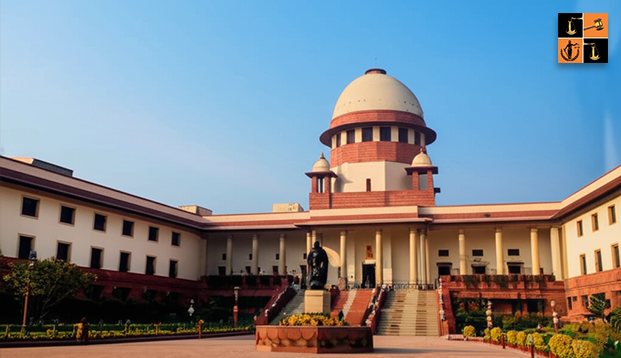
On Friday, the Supreme Court refused to interfere with the conviction of a man under Section 498A of the Indian Penal Code in a case arising from the death of a woman in her matrimonial home. While dismissing the appeal, the Court delivered strong observations on the continuing menace of dowry-related harassment, questioning the social mindset that leads to the humiliation of brides and their families after marriage. Emphasising the need for deterrence, the Court remarked that a clear message must go out that such conduct cannot be tolerated.
The case stemmed from the death of a woman by hanging in her matrimonial home in Chhattisgarh within a few years of her marriage. The prosecution alleged that she had been subjected to continuous harassment and dowry demands by her husband and his family, including demands for cash and a vehicle. Evidence before the courts indicated that financial demands were repeatedly made and that payments had been extracted from the woman's family shortly before the incident.
Relying on witness testimonies and surrounding circumstances, the trial court concluded that the deceased had faced cruelty connected with dowry demands "soon before" her death. Several members of the matrimonial family were consequently convicted for offences including dowry death, abetment of suicide, and cruelty. The present appeal was filed by the deceased woman's brother-in-law, who sought relief from his conviction under Section 498A of the IPC, contending that the offence was not established against him and that there had been a delay in registration of the FIR.
The Division Bench of Justice B.V. Nagarathna and Justice Ujjal Bhuyan found no reason to interfere with the concurrent findings of the trial court and the High Court. Justice Nagarathna repeatedly expressed concern over the manner in which brides and their families are allegedly subjected to financial coercion after marriage. The Court asked, "Why do boys marry girls and then insult them and their families?" The Bench further stressed, "Let a message go out that they cannot continue insulting the bride and her family."
The Court noted that the allegations on record reflected a pattern of sustained pressure and humiliation directed at the deceased woman's family. Highlighting the nature of the accusations, Justice Nagarathna observed, "Attempt is to squeeze the bride and her family." The Bench also referred to allegations that, despite efforts by the bride's family to meet financial demands, they were subjected to further humiliation. The Bench remarked, "What exactly did the boy's family say? You people are beggars; you cannot pay. The girl's family was pleading to save their daughter and they were being called beggars."
When the Petitioner's counsel sought to defend the conviction challenge, the Court remained unconvinced. Justice Nagarathna observed, "You should have kept quiet. Bride's father said they can give ₹60k and you call them beggars?" The Bench also rejected the argument that the delay in lodging the FIR weakened the prosecution's case and emphasised the larger social concern underlying such offences. Reinforcing the need for accountability, the Court observed, "Let the message go. This is how brides are treated." Justice Ujjal Bhuyan also expressed concern over the fact that such conduct was alleged even in educated families, remarking, "These are educated people."
Finding no merit in the challenge, the Court dismissed the appeal and upheld the conviction.
Disclaimer: This news/ article includes information received via a syndicated news feed. The original rights remain with the respective publisher.
Picture Source :




















